Drivers Are Using a 2-Minute Rate Check to Spot Overpriced Policies—Here’s How It Works
If your car insurance went up recently, this new comparison method could help you uncover better rates without making dozens of phone calls.


- Takes ~2 minutes
- Secure & Free to Check
- No Obligation to Switch
Why Auto Insurance Prices Vary in the U.S.
If you feel like your neighbor pays less for insurance than you do, you might be right. Insurers use complex algorithms to determine your premium. While the exact formulas remain tightly guarded secrets, the major rating factors are well known within the industry:
- ZIP Code: Urban areas with higher traffic density and theft rates typically see higher premiums.
- Driving Record: Accidents, tickets, and violations are the biggest red flags for insurers.
- Vehicle Type: Expensive, high-performance, or frequently stolen cars cost more to insure and repair.
- Coverage Limits: State minimums are cheaper upfront, but full coverage offers better financial protection.
- Credit-Based Insurance Score: Where permitted by law, insurers use this to predict the statistical likelihood of a claim.
State-by-State Note: Insurance is strictly regulated at the state level. The rules regarding what factors an insurer can use (like credit scores, education, or gender) vary significantly depending on where you live.
How We Evaluated the Market Options
Our editorial team evaluated several methods for shopping for auto insurance. A good process should demystify a frustrating chore. We looked specifically for platforms that deliver on four key metrics:
1. Clear Disclosures: Are privacy policies straightforward and expectations set clearly upfront?
2. Ability to Compare: Does the platform connect to a wide partner network of reputable carriers rather than just pitching one?
3. Minimal Friction: Is the initial questionnaire fast, secure, and mobile-friendly?
4. Next Steps: Does it provide a clear, actionable path forward for the driver?
Based on these criteria, utilizing an aggregator network emerged as the most efficient starting point.

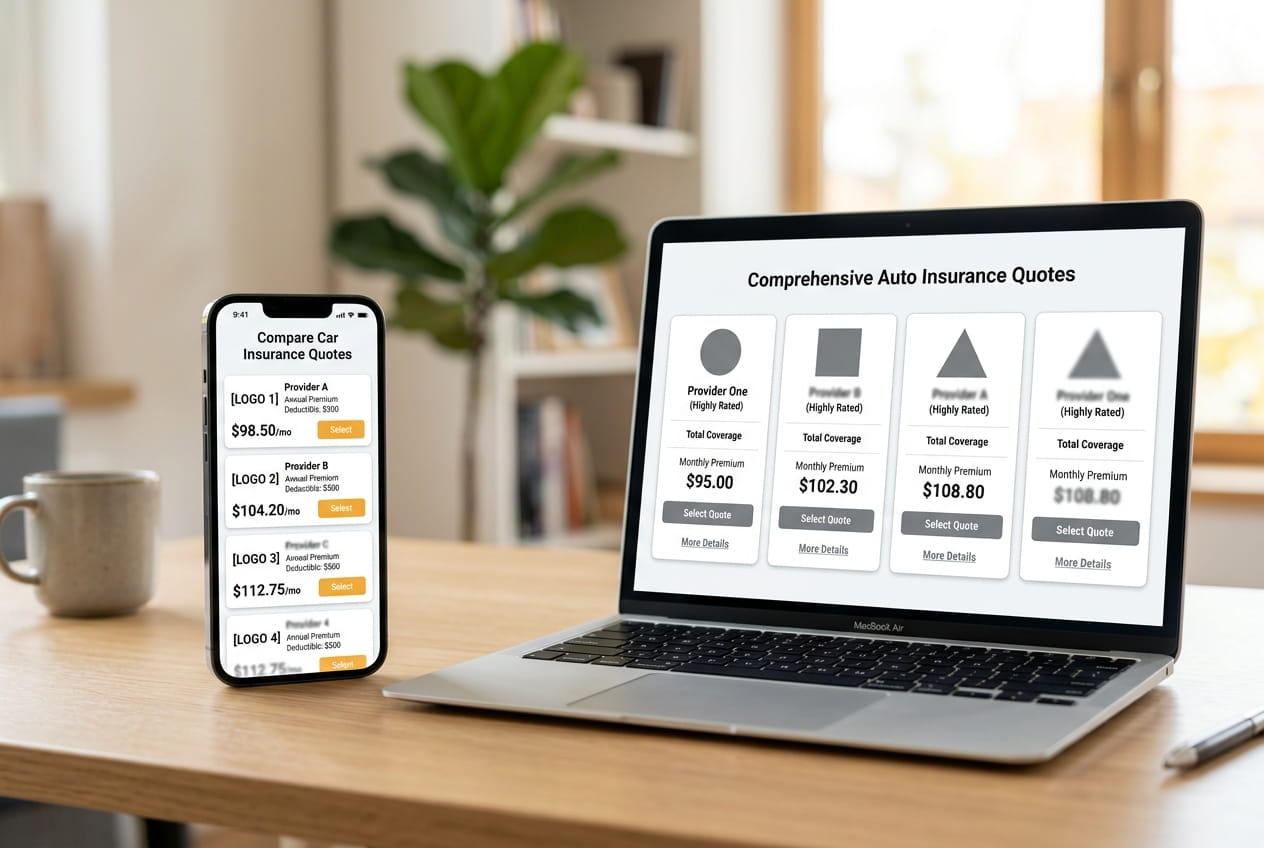
What it is: A digital rate comparison matching platform that connects drivers with regional and national insurance providers based on a single, secure online questionnaire.
Pros
- Fast, centralized rate comparison
- Saves hours compared to calling agents
- Matches you with active providers in your specific ZIP code
Cons
- Exact results vary heavily by driver profile
- May receive follow-up contact to finalize quote
- Carrier availability differs by state
How to Potentially Lower Your Premium
Before you accept a high renewal rate, consider these actionable steps that often yield savings:
Raise Your Deductibles
A higher deductible often lowers your monthly payment (just ensure you have cash saved in case of an accident).
Bundle Policies
Combining auto and home/renters insurance with the same carrier may help you secure a multi-policy discount.
Usage-Based Programs
If you're a safe, low-mileage driver, telematics programs that track driving habits might yield significant savings.
Shop at Renewal
The most effective strategy is to see quotes from multiple companies every 6 to 12 months.
Frequently Asked Questions
Yes, using a comparison portal to check your initial rates is completely free. These platforms are typically compensated by the insurance partners, not the consumer.
No. Checking insurance quotes usually involves a "soft pull" on your credit (where permitted by state law), which does not impact your credit score or leave a hard inquiry.
Insurance rates and provider availability are highly localized. Your ZIP code is the minimum information required to accurately match you with providers licensed in your specific area.
Depending on the platform and your selections, you may be matched with agents who will reach out via phone or email to help finalize your quote and ensure accuracy. We encourage reviewing the privacy policy of any service you use.
The Final Verdict
If your auto insurance premiums have crept up over the last few years, staying with your current provider out of habit could be costing you. While no tool can guarantee a lower rate for everyone, utilizing an online comparison network is one of the fastest, lowest-risk ways to survey the market and spot an overpriced policy.